


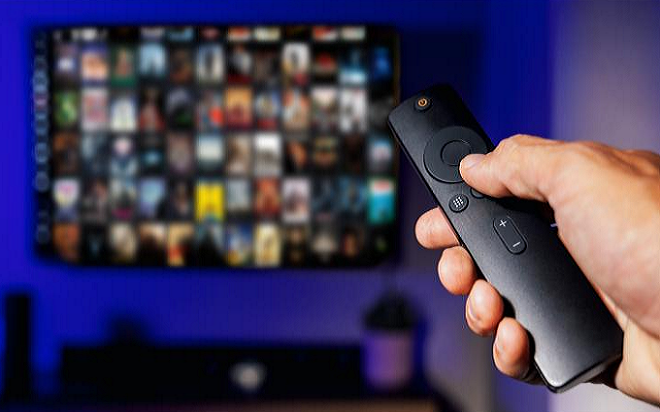
Movie streaming platforms have expanded rapidly. Users now expect instant access to large libraries of films, series, and regional content. Platforms similar to ibomma.cam serve audiences that value accessibility, speed, and variety.
However, scale alone does not ensure engagement.
A large content catalog can create friction. Users often spend more time deciding what to watch than actually watching. This reduces satisfaction and shortens session duration. In competitive markets, this becomes a critical weakness.
The core problem is structural.
Most streaming platforms operate as static libraries. They present content but do not actively guide user decisions. This approach assumes that availability equals engagement.
That assumption no longer holds.
Modern users expect systems that simplify choice, reduce effort, and adapt in real time. Platforms must evolve from passive catalogs into active engagement engines.
Real-Time Interaction Platforms as a Benchmark for Streaming Engagement
Real-time platforms demonstrate how digital systems can maintain attention and guide user behavior. These environments operate on continuous interaction. They present updated information, structured choices, and immediate feedback.
The key advantage lies in decision support.
Users do not need to process large amounts of information. The system organizes options and highlights relevant choices. This reduces cognitive load.
This model is directly applicable to streaming platforms.
A relevant comparison can be drawn from systems such as Slot Desi, where user engagement depends on real-time updates and structured interaction. These platforms present dynamic data, guide user choices, and provide immediate feedback. When analyzing how such systems function, the experience of an online betting app in india becomes particularly informative. You can explore this model online betting app in india, where live data, intuitive navigation, and structured options allow users to act quickly without confusion. This approach highlights how decision-making improves when systems reduce complexity and present relevant information at the right moment.
Three principles from these systems are especially relevant:
- Continuous updates — information adapts in real time based on context and user behavior
- Prioritized content — the most relevant options are always visible
- Guided interaction — users are directed toward clear next steps
These principles address a major issue in streaming platforms.
Static catalogs overwhelm users. When faced with too many options, users delay decisions or abandon the session. This reduces engagement.
Real-time-inspired systems solve this problem.
For example, instead of presenting a generic homepage, a platform can adjust content dynamically based on user preferences, viewing history, and time of day. This reduces search time.
Another example involves contextual recommendations.
If a user watches a thriller, the platform can immediately suggest similar content. This keeps the session active.
Consistency also matters.
Real-time platforms maintain predictable interfaces. Users know where to find information and how to act. This reduces friction.
Streaming platforms should adopt similar consistency. When users understand the interface quickly, they make faster decisions.
Designing Scalable Engagement Systems for Movie Platforms
Building an engagement-driven streaming platform requires a structured approach. It involves aligning content strategy, user experience, and technical infrastructure.
The first component is UX hierarchy.
Users should immediately see relevant content. High-priority recommendations, trending titles, and personalized categories should be visible without effort. Secondary content should support exploration.
This improves decision speed.
Content discovery must be optimized.
Instead of relying on manual search, platforms should guide users through curated pathways. Categories, filters, and personalized sections help users navigate efficiently.
Micro-interactions enhance engagement.
Actions such as adding to a watchlist, rating content, or receiving recommendations create a sense of involvement. These interactions increase retention.
The second component is behavioral loops.
Users return when they experience consistent value. Platforms must create systems that encourage repeated engagement.
A scalable engagement system includes:
- Personalized recommendations based on user behavior
- Immediate feedback through dynamic content updates
- Seamless continuation of viewing sessions across devices
These elements create a cycle that sustains attention.
Personalization is critical.
Different users have different preferences. Some prefer regional cinema. Others focus on specific genres or actors. Platforms must adapt content delivery accordingly.
This increases relevance.
Infrastructure plays a central role.
Real-time systems require fast loading times and reliable performance. Delays disrupt engagement and reduce trust. Platforms must invest in scalable architecture, efficient data processing, and optimized delivery networks.
Cloud-based solutions support scalability.
Segmentation improves effectiveness.
New users need simple entry points. Returning users expect deeper personalization. Platforms can provide layered experiences:
- Basic recommendations for new users
- Advanced personalization for frequent users
This approach balances accessibility and depth.
Consistency remains essential.
Users develop expectations about how the platform works. Consistent design reduces cognitive load and improves usability.
Adaptability is also important.
Content trends change quickly. Platforms must update recommendations and features without disrupting the user experience. Modular systems support this flexibility.
Measurement is necessary.
Platforms must track key metrics such as session duration, completion rates, and user retention. This data informs optimization.
Without measurement, improvement is limited.
Conclusion
Streaming platforms must evolve beyond static content catalogs. Engagement depends on structure, guidance, and interaction.
Real-time systems provide a clear model. They demonstrate how continuous updates and structured interfaces improve decision-making and retention.
Streaming platforms can apply these principles to increase session time and user satisfaction.
The strategic priorities are clear:
- Structure content to reduce decision friction
- Provide real-time recommendations and feedback
- Build systems that adapt to user behavior
For decision-makers, the implication is direct. Content availability is not enough.
Engagement must be engineered.
Platforms that adopt real-time, structured engagement systems will create more efficient, user-centered experiences and achieve stronger long-term growth in a competitive digital environment.
