


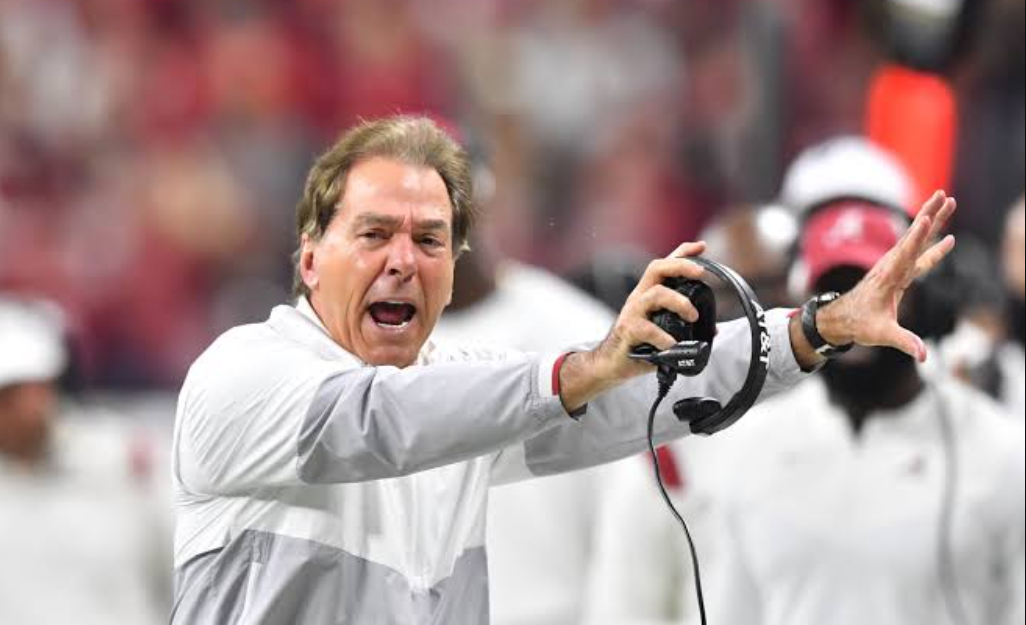
Few figures in college football history command the universal respect this coaching legend earned across more than three decades leading programs at every level, from a small Ohio program through college football’s most storied championship dynasty. His career reshaped how modern programs approach recruiting, player development, and sustained competitive excellence. Fans wanting to follow current college football coverage can check the latest updates at Dbbet, where football news stays current throughout the season.
Who Is Nick Saban: A Coaching Legend’s Origin Story
Nick saban built his coaching career from genuinely humble beginnings, growing up in Fairmont, West Virginia, where his father owned a small service station and coached a local youth football team that first introduced Saban to the sport.
He played quarterback and defensive back throughout his own playing career, first helping lead his high school to a state championship before continuing as a defensive back at Kent State University under head coach Don James.
That collegiate playing experience under James proved foundational, since Saban began his coaching career as a graduate assistant at Kent State immediately following graduation, launching a coaching journey that would eventually span more than five decades.
How Old Is Nick Saban: Age and Career Timeline
Addressing how old is nick saban, he was born on October 31, 1951, making him 74 years old as of mid-2026, a milestone that places his remarkable career longevity in genuine historical perspective.
This age places him among the most experienced figures in modern college football history, having coached at the highest level well into his seventies before ultimately stepping away from sideline duties following the conclusion of the 2023 season.
His retirement announcement came on January 10, 2024, closing out a coaching career that began decades earlier and included stops across multiple programs before culminating in the sustained championship dynasty he built during his final coaching stop.
Nick Saban Teams Coached: Tracing His Complete Career Path
Understanding nick saban teams coached requires tracing a career path that began with various assistant coaching positions across multiple programs before he earned his first head coaching opportunity at the University of Toledo in 1990.
That brief but successful Toledo stint led to an NFL opportunity as defensive coordinator for the Cleveland Browns under Bill Belichick, providing professional coaching experience that would later inform his approach to program building at the collegiate level.
Saban’s collegiate head coaching career subsequently spanned Michigan State, Louisiana State University, and finally the University of Alabama, interrupted briefly by a return to professional football as head coach of the Miami Dolphins.
The Michigan State Years: Building a Foundation
Saban took over as Michigan State’s head coach in 1995, spending five seasons building the program’s competitive foundation before departing following the conclusion of the 1999 regular season for his next significant career opportunity.
This period established many of the organizational and recruiting principles that would later define his championship-winning approach at subsequent programs, even though Michigan State itself didn’t achieve championship-level success during his relatively brief tenure there.
Several coaches who worked under Saban during this early period went on to significant coaching careers themselves, establishing what would become an extensive coaching tree extending across college football and professional coaching ranks for decades afterward.
LSU: Saban’s First National Championship
Moving to Louisiana State University brought Saban his first taste of national championship success, capturing the 2003 title and establishing the championship-caliber program-building reputation that would define the remainder of his coaching career.
This LSU success demonstrated his ability to rapidly elevate program competitiveness, transforming the Tigers into a genuine championship contender within a relatively short timeframe after taking over the previously less consistently dominant program.
His LSU tenure also further developed his reputation for elite recruiting and player development, foundational skills that would prove even more decisive during his subsequent, considerably longer and more successful stint at Alabama.
A Brief NFL Return With the Miami Dolphins
Following his LSU success, Saban briefly returned to professional football as head coach of the Miami Dolphins for one season, a stint that ultimately proved less successful than his collegiate coaching accomplishments before and after this NFL interlude.
This professional football experience, while brief, provided additional coaching perspective that Saban later incorporated into his collegiate program management, even though he ultimately determined that college football better suited his particular coaching strengths and preferences.
His return to collegiate coaching following this NFL stint set the stage for what would become the most successful and enduring chapter of his entire coaching career at the University of Alabama.
Alabama: Building College Football’s Most Dominant Dynasty
Saban’s arrival at Alabama in 2007 launched a seventeen-year tenure that transformed the program into college football’s most sustained championship dynasty, ultimately capturing six national championships during his time leading the Crimson Tide.
Combined with his earlier LSU championship, this gave him seven total national championships across his collegiate head coaching career, surpassing legendary coach Paul “Bear” Bryant to become the winningest championship coach in the sport’s poll era history.
His Alabama teams consistently ranked among the nation’s best throughout his tenure, finishing his coaching career there with a remarkable 201-29 overall record that cemented his legacy as one of college football’s most statistically dominant coaches ever.
Coaching Philosophy and the “Process” Approach
Saban became closely associated with an emphasis on consistent, methodical program-building he often described as “the process,” prioritizing daily execution and preparation over exclusively focusing on eventual outcomes like championships or rankings.
This philosophy extended throughout every aspect of program management, from recruiting evaluation to player development, creating an organizational culture that emphasized sustainable excellence rather than short-term results alone driving decision-making.
That methodical approach proved remarkably durable across changing eras of college football, successfully adapting to significant rule changes, including transfer portal expansion and name, image, and likeness compensation reforms during his final coaching seasons.
An Extensive Coaching Tree Across Football
Numerous assistant coaches who worked under Saban throughout his career went on to become head coaches themselves, both at the collegiate and professional levels, creating an extensive coaching tree that continues influencing football strategy today.
This coaching tree includes figures who became successful head coaches across major college programs and NFL franchises alike, reflecting how thoroughly Saban’s organizational and strategic principles spread throughout football coaching more broadly.
That widespread influence ensures his impact on the sport extends considerably beyond his own program’s championship accomplishments, shaping how an entire generation of coaches approaches program building and game strategy.
Life After Coaching: Media and Advisory Roles
Following his retirement from active coaching, Saban transitioned into broadcasting, joining ESPN’s College GameDay as an on-site analyst, bringing his championship-level football knowledge directly to weekly national television audiences.
He also maintains an advisory role within Alabama’s athletics program, reflecting his continued institutional connection even after stepping away from active sideline coaching duties following his lengthy and successful tenure leading the Crimson Tide.
Beyond football specifically, Saban has remained engaged in broader college sports policy discussions, lending his considerable credibility and experience to ongoing conversations about the evolving structure of collegiate athletics compensation and competition.
Philanthropic Legacy Beyond Football
Saban and his wife Terry founded the Nick’s Kids Foundation, a charitable organization that has distributed millions of dollars supporting children’s causes across the various communities where his coaching career took him throughout the decades.
This philanthropic commitment extended particularly deep roots in Tuscaloosa, where the foundation contributed significantly to tornado relief efforts, scholarship programs, and educational initiatives well beyond simple football-related charitable giving.
That sustained community investment reflects a broader legacy extending well past his considerable on-field coaching accomplishments, demonstrating genuine long-term commitment to the communities surrounding whichever program he happened to be leading at any given time.
Nick Saban’s Lasting Impact on College Football
Beyond championship totals and statistical records, Saban’s influence reshaped how major college football programs approach organizational structure, recruiting strategy, and sustained competitive excellence across increasingly demanding modern coaching landscapes.
Coaching academies and program administrators frequently reference his methodical program-building philosophy, cementing an educational legacy that extends considerably beyond his own championship accomplishments or any single program’s specific results.
That combination of championship dominance and methodological influence ensures his legacy will likely continue shaping college football coaching philosophy and program management strategies for generations of coaches still to come.
