


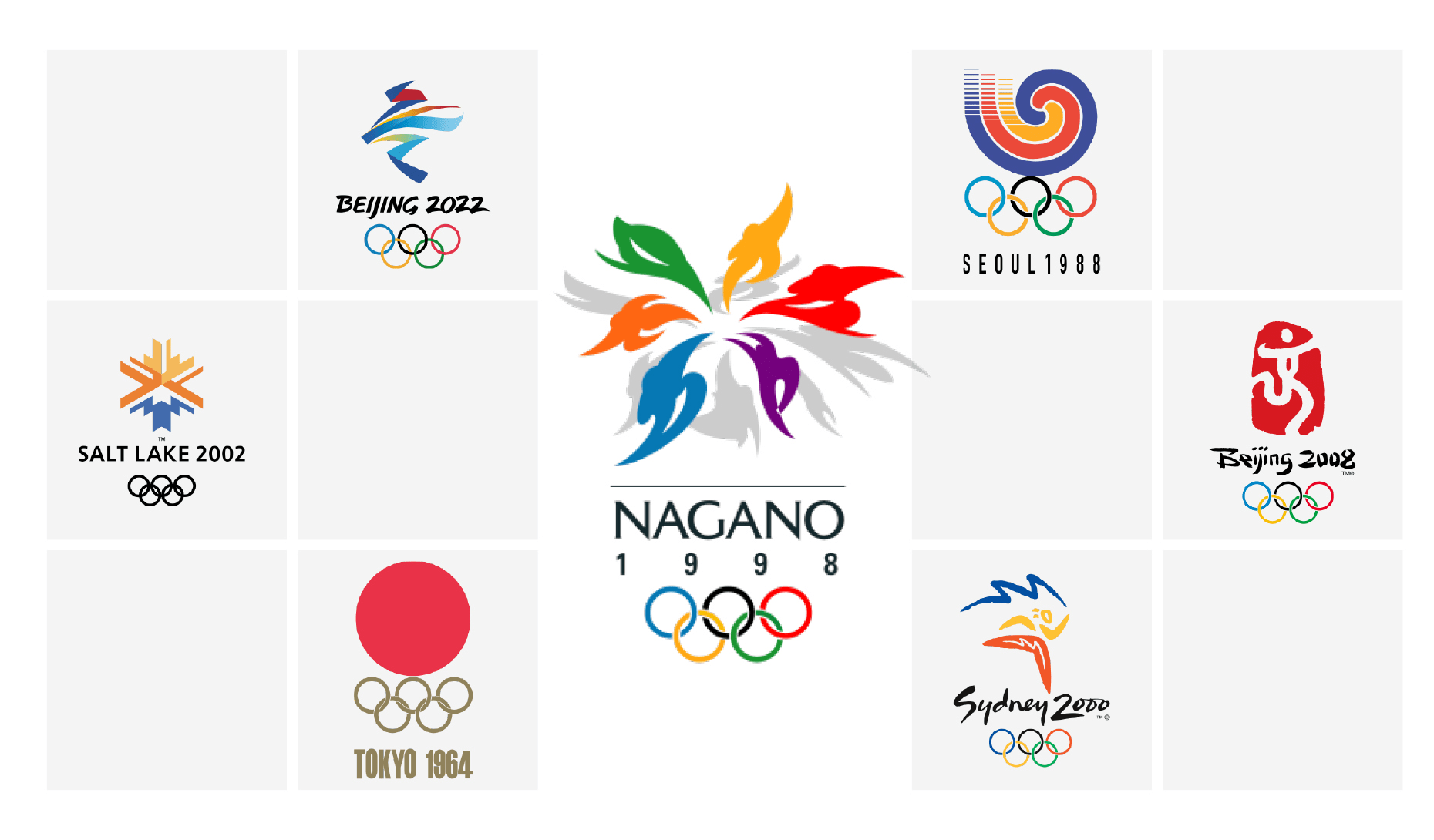
No sporting institution has built a brand with the global recognition, emotional resonance, and cross-cultural reach of the Olympic Games. The five rings, the torch relay, the opening ceremony — these elements communicate meaning to billions of people across languages, cultures, and sporting interests that the specific competitions themselves could never reach independently. Understanding olympic branding requires engaging with how the International Olympic Committee has constructed and maintained this extraordinary global identity across 130 years of modern Games history. Fans following Olympic sport and international competition with dedicated markets can find comprehensive coverage at db bet.
What Olympic Branding Actually Represents
Olympic branding is one of sport’s most carefully managed institutional identities — the result of deliberate construction across decades rather than organic development that simply reflected competitive achievement. The IOC’s understanding that the Olympic movement represents something larger than the sum of its sporting competitions — that it carries ideological, cultural, and aspirational dimensions that the five rings communicate simultaneously — has informed every brand decision the organization has made across its modern history.
The specific power of Olympic branding rests on its ability to mean different things to different audiences simultaneously without those meanings contradicting each other. For athletes, the rings represent the ultimate competitive validation. For host nations, they represent global attention and developmental investment justification. For television audiences worldwide, they represent a shared viewing experience that transcends normal entertainment consumption. Managing these multiple simultaneous meanings within a coherent brand identity is the specific organizational achievement that distinguishes Olympic branding from every comparable sporting institution’s approach to its own identity construction.
The Five Rings: History and Meaning
The Olympic rings — five interlocking circles in blue, yellow, black, green, and red on a white background — were designed by Pierre de Coubertin in 1913 and introduced at the 1920 Antwerp Olympics as the movement’s primary visual symbol. The original explanation that the colors represent the five continents has been modified in official communications across subsequent decades, with the IOC now describing the rings as representing the union of the five continents and the meeting of athletes from throughout the world.
The rings’ specific visual effectiveness — the interlocking structure that communicates connection and unity without requiring any text or language — reflects design principles whose universality has sustained the symbol’s effectiveness across a century of changing visual communication contexts. A logo created in 1913 that functions as effectively in social media contexts as it did on athletic banners reflects design quality that transcends the specific era that produced it.
The brand protection that the IOC applies to the Olympic rings is among the most aggressively enforced in international intellectual property — a reflection of how completely the rings’ commercial value depends on their exclusive association with the Olympic movement rather than the diluted recognition that unrestricted commercial use would eventually produce.
The Torch Relay: Branding as Spectacle
The Olympic torch relay — carrying flame from Olympia in Greece to the host city across weeks of travel through multiple countries — represents Olympic branding’s most theatrical expression, a living advertisement for the approaching Games that generates media coverage across every territory the relay traverses.
The relay’s origins in the 1936 Berlin Games — introduced by the Nazi organizational apparatus as a means of connecting the modern Olympics to ancient Greek civilization in ways that served specific political purposes — creates a historical complexity that the IOC has navigated by progressively severing the relay’s association with its specific 1936 origins while maintaining the theatrical and symbolic elements that make it genuinely effective as a pre-Games activation tool.
Each relay’s specific routing — the countries selected for the torch’s international journey, the specific landmarks visited, and the torchbearers chosen as community representatives — reflects both the host city’s geographic and cultural context and the IOC’s specific communications priorities for each Games edition. The relay generates the kind of authentic human-interest content — ordinary people carrying an extraordinary symbol through recognizable landscapes — that paid advertising cannot replicate regardless of budget.
Mood Olympic Sport: The Emotional Architecture of the Games
Mood olympic sport — the specific emotional experience that the Games create for participants and audiences — is one of the IOC’s most carefully cultivated brand assets, though it is rarely described in those terms within official communications. The Olympic atmosphere is deliberately constructed through the opening ceremony’s theatrical production, the medal ceremony’s consistent ritual elements, and the specific broadcast production choices that amplify individual athlete stories into emotional narratives that casual sports viewers engage with as compelling human drama.
The opening ceremony represents the Games’ most expensive and most important branding investment — the production through which the host city communicates its cultural identity to a global audience whose size exceeds virtually every other broadcast event across the four-year cycle. The ceremonies that generate the most enduring cultural discussion — Beijing 2008’s precision spectacle, London 2012’s irreverent celebration of British culture, Sydney 2000’s indigenous cultural integration — have become as important to each Games’ legacy as the athletic performances that follow.
The medal ceremony’s consistent elements — the specific podium design, the national anthem playing, the medals placed around athletes’ necks by IOC officials — create the ritual repetition that brand recognition requires. Watching a medal ceremony is immediately identifiable as an Olympic moment regardless of which sport, which Games edition, or which athletes are involved — a consistency of emotional cues that constitutes one of branding’s most fundamental achievements.
Host City Branding: The Olympics as Urban Showcase
The relationship between Olympic branding and host city identity creates a specific dynamic that motivates cities to compete aggressively for hosting rights despite the organizational complexity and financial risks that Games preparation consistently involves. The Olympic brand’s global recognition provides host cities with an attention platform whose scale no alternative event can replicate — two weeks of sustained global broadcast focus whose accumulated viewership represents marketing value that straightforward commercial advertising cannot purchase at comparable cost.
The legacy dimension of Olympic hosting — the infrastructure investments that Games preparation triggers and the global recognition that successful hosting delivers — motivates governments to absorb organizational challenges that purely commercial event analysis would not support. Cities that have hosted the Games successfully maintain associations with Olympic achievement that persist in global recognition decades after the events themselves — Melbourne 1956, Munich 1972, Barcelona 1992, and Sydney 2000 remain reference points in conversations about those cities’ international identities in ways that non-hosting cities of comparable size and cultural significance have not achieved.
Commercial Partnerships: Protecting Brand Exclusivity
The IOC’s commercial partnership program — the TOP sponsors whose exclusive Olympic category rights represent the Games’ primary commercial revenue stream alongside broadcast rights — reflects the specific brand management challenge of generating commercial revenue without the dilution that unrestricted sponsorship would produce.
The exclusivity that TOP sponsorship provides — category exclusivity across all Olympic Games globally — commands premium pricing that reflects how completely Olympic association delivers what other sporting properties cannot: simultaneous access to genuinely global audiences across every demographic and cultural market where the Games command attention. Managing this exclusivity — enforcing clean venue policies, preventing ambush marketing, and maintaining the premium positioning that the partnership value depends upon — requires the organizational infrastructure and legal resources that the IOC deploys continuously across both Games periods and the intervals between them.
Olympic Games: Why the Brand Endures
The olympic games brand’s endurance — maintaining genuine global cultural significance across 130 years of modern competition despite organizational controversies, political boycotts, corruption scandals, and the fundamental changes in media consumption that have transformed every other sporting property’s audience relationship — reflects something that pure brand management cannot explain through strategy alone.
The Games endure because they tap something genuinely universal — the human interest in physical excellence, in national representation, in the specific drama of competitions whose outcomes are genuinely uncertain and whose stakes for participants reflect years of preparation concentrated into minutes of performance. These elements would generate interest regardless of how the IOC managed its brand — the brand management’s specific achievement has been amplifying and protecting that genuine interest rather than manufacturing it from purely commercial foundations.
The Olympic movement’s capacity for self-renewal — incorporating new sports that reflect contemporary physical culture, expanding gender equity across the program, and adapting host city requirements to address legitimate sustainability concerns — has allowed the brand to remain culturally relevant across generations whose specific sporting interests have evolved considerably from those of 1896’s Athens audience while the fundamental human appeal of athletic excellence at its highest competitive expression has remained constant.
