


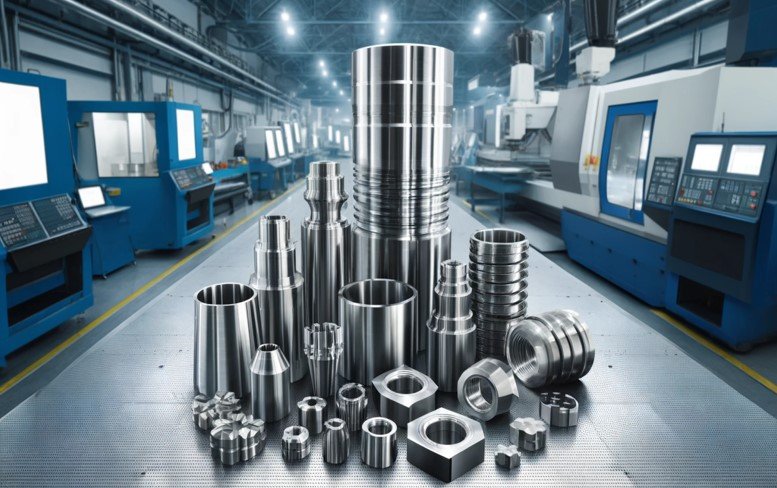
Stainless steel is widely used in many industries due to its strength, durability, and corrosion resistance. However, CNC machining stainless steel presents unique challenges that require careful consideration and expertise. From its toughness to its thermal properties, machinists often face difficulties maintaining precision, preventing tool wear, and achieving efficient production.
This article explores the specific challenges associated with machining stainless steel and provides insights into how to overcome them effectively.
Challenges in CNC Machining Stainless Steel
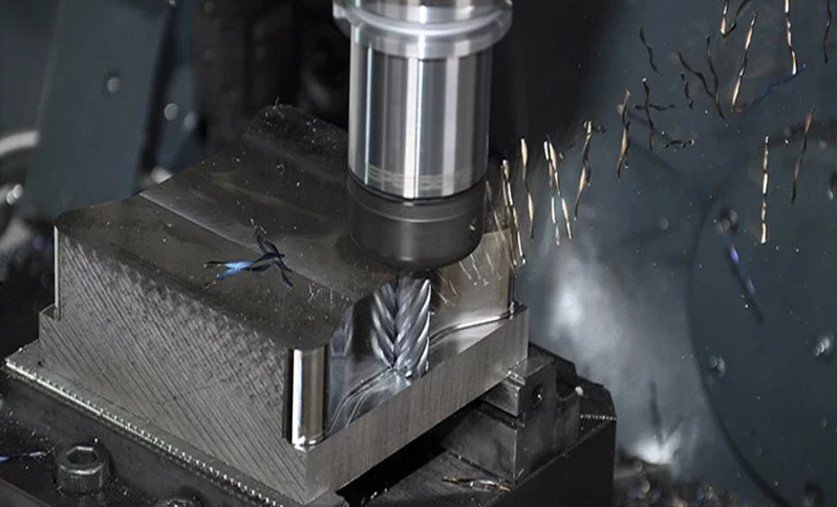
Here are the common challenges in CNC machining stainless steel:
- Toughness and Hardnes: Stainless steel’s high strength makes it resistant to deformation but also makes machining more difficult. The material’s toughness increases the load on cutting tools, leading to faster wear and breakage.
- Thermal Conductivity Issues: Stainless steel has low thermal conductivity, causing heat to concentrate at the cutting zone. This can lead to overheating, which damages tools and affects the quality of the machined part.
- Work Hardening: During machining, stainless steel tends to harden rapidly, especially if tools are not sharp or the feed rate is too low. Work hardening increases cutting resistance, making the process even more challenging.
- Tool Wear and Breakage: The combination of toughness, hardness, and work hardening accelerates tool wear. Tools made of high-quality materials and coatings are often required to maintain performance.
- Surface Finish: Challenges Due to the material’s properties, Achieving a smooth surface finish can be difficult. Improper machining parameters can lead to rough or uneven surfaces.
- Chip Formation and Removal: Different stainless steel tends to produce long, stringy chips that are hard to manage. Poor chip removal can damage tools, affect accuracy, and reduce efficiency.
Work Hardening and Its Impact on Machining
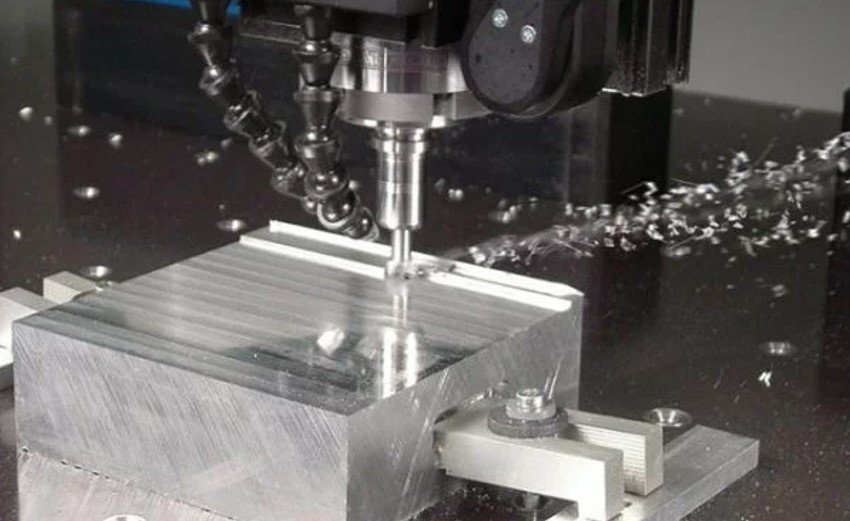
Work hardening is a significant challenge in CNC machining stainless steel. It occurs when the material’s surface becomes harder as it undergoes plastic deformation during cutting. This phenomenon increases the material’s resistance to machining and accelerates tool wear. If machinists use dull tools or improper cutting speeds, work hardening becomes more severe, making it harder to achieve precision.
To counteract work hardening, it is crucial to use sharp tools and maintain an appropriate feed rate. High-speed steel (HSS) or carbide tools with coatings like titanium nitride (TiN) reduce wear. Maintaining a consistent cutting depth and avoiding tool dwell can also prevent excessive material hardening, ensuring smoother and more efficient machining.
Work hardening also demands a careful selection of cutting fluids. High-quality lubricants and coolants reduce friction and heat buildup, mitigating the risk of excessive hardening. Flood coolant systems or mist applications are particularly useful in keeping the material cool and maintaining tool life.
Proper machining strategies can also make a significant difference. Employing higher feed rates and lower cutting speeds minimizes contact time, reducing the chance of work hardening. Advanced CNC machines with adaptive controls can adjust parameters in real-time, ensuring optimal performance.
Training and experience are equally essential. Skilled machinists understand the nuances of working with stainless steel and can adapt their techniques to the material’s behaviour. Regularly inspecting tools for wear and replacing them promptly further prevents issues related to work hardening, improving efficiency and product quality.
Managing Heat Generation During Cutting
Heat generation is a critical concern when machining stainless steel. The material’s low thermal conductivity causes heat to accumulate at the cutting zone, increasing the risk of tool wear and part distortion. Effective heat management is essential to ensure both tool longevity and machining precision.
One of the most effective strategies for managing heat is using high-performance cutting fluids. These fluids help dissipate heat, reduce friction, and improve the cutting process. Coolants delivered through flood systems or high-pressure nozzles directly cool the cutting area, minimizing temperature buildup.
Another approach involves selecting cutting tools with heat-resistant coatings, such as titanium aluminum nitride (TiAlN) or diamond-like carbon (DLC). These coatings enhance the tool’s ability to withstand high temperatures, extending its lifespan and maintaining cutting efficiency.
Adjusting machining parameters also plays a significant role. Lowering cutting speeds and increasing feed rates reduce the heat generated per unit of material removed. It’s essential to find a balance that minimizes heat without compromising productivity.
Additionally, advanced CNC machines with temperature monitoring systems can detect excessive heat and adjust cutting conditions automatically. These systems provide real-time feedback, allowing machinists to optimize the process and avoid overheating.
Selecting the Right Tools for Stainless Steel
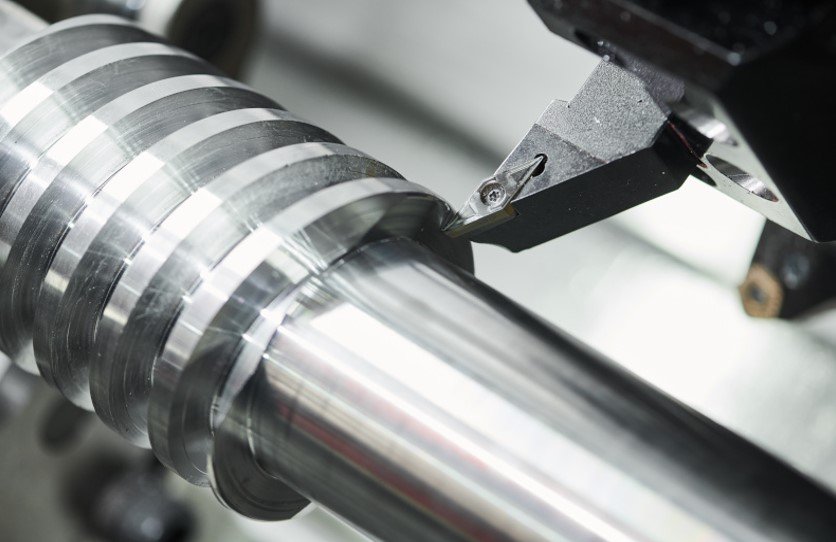
Choosing the right tools is essential for successful CNC machining of stainless steel. Here are tips to selecting the right tools for stainless steel:
Material and Coating of Tools
Tools made of carbide or high-speed steel (HSS) are well-suited for machining stainless steel. Carbide tools are particularly effective due to their hardness and resistance to wear. Adding coatings like titanium nitride (TiN), titanium carbonitride (TiCN), or aluminum titanium nitride (AlTiN) enhances the tool’s heat resistance and extends its lifespan.
Tool Geometry
The geometry of the cutting tool plays a crucial role in managing chip formation and reducing heat. Positive rake angles and sharp edges help minimize cutting forces and improve chip evacuation. Specialized geometries designed for stainless steel can further enhance performance.
Tool Durability
Due to stainless steel’s abrasive nature, tools must withstand high levels of wear. Investing in high-quality, durable tools reduces the need for frequent replacements and ensures consistent machining results.
Regular Maintenance and Inspection
It is critical to regularly inspect tools for wear and damage. Worn tools can cause poor surface finishes and increase the risk of work hardening. Replacing or regrinding tools as needed ensures optimal machining performance.
Tips to Minimize Tool Wear and Chatter
Employing the following tips can help reduce tool wear and chatter effectively:
Use Appropriate Cutting Tools
Choose cutting tools specifically designed for stainless steel. Carbide or high-speed steel (HSS) tools with wear-resistant coatings, such as TiN or TiAlN, reduce friction and enhance durability. These materials can better withstand the demands of machining tough stainless steel.
Optimize Cutting Parameters
Adjust cutting speeds and feed rates to minimize tool load and vibration. A lower cutting speed and a higher feed rate often reduce tool wear. Avoid feeding rates that are too low, leading to work hardening and chatter.
Employ Sharp Tools with Proper Geometry
Dull tools exacerbate chatter and increase wear. Ensure tools are sharp and have a positive rake angle to facilitate smoother cutting and efficient chip evacuation. Tools designed with anti-chatter geometries can also significantly reduce vibration.
Use Cutting Fluids Effectively
Apply high-performance cutting fluids or coolants to reduce friction, dissipate heat, and maintain tool integrity. Flood coolant or mist systems deliver consistent lubrication, minimizing wear and preventing tool damage.
Monitor and Replace Tools Promptly
Regularly inspect tools for signs of wear or damage. Replace or regrind tools before they become ineffective. CNC machining companies use monitoring systems on advanced machines that can provide alerts for tool changes, ensuring consistent machining quality.
Conclusion
CNC machining stainless steel presents unique challenges, from managing its toughness and work-hardening tendencies to addressing issues like heat generation and tool wear. Successfully overcoming these challenges requires the right tools, optimized machining parameters, and adequate heat management strategies. By investing in high-quality tools, employing advanced machining technologies, and ensuring proper coolant application, machinists can significantly improve their results. Regular tool maintenance and ongoing skill development are essential to navigating the complexities of machining stainless steel.
